
Elephant Park, Plot H1.
Bringing local voices into Elephant Park’s next chapter.
To help a major redevelopment respond to its neighbours, Urban Symbiotics brought local voices into discussions about homes, healthcare and shared space at Elephant Park’s Plot H1. Working with HUB, we gathered more than 800 community conversations and over 1,800 insights to inform the proposals and their supporting planning evidence.
Elephant and Castle is home to established communities, independent businesses and a growing residential population. Against a backdrop of extensive redevelopment, people wanted to understand what this next stage would mean for everyday life, affordability and the places and relationships they value.
We combined public consultation with targeted community sessions, local research and an Equality Impact Assessment. The resulting engagement summary and detailed record connected people’s priorities with the design team’s responses, while the equality assessment considered how the proposals could affect different groups.
Client
HUB, in partnership with H.I.G. Capital
Location
Plot H1, Elephant Park, Elephant and Castle, London Borough of Southwark
Dates
Community engagement January–July 2025; final reports September 2025; planning committee resolution March 2026
Outcome
Community evidence and equality assessment informing the planning application; committee resolution to grant permission subject to conditions, a legal agreement and referral to the Mayor of London
The brief.
The proposals for Plot H1 brought together co-living accommodation, affordable homes, a health hub and new public spaces. HUB needed to understand how these plans could respond to the surrounding neighbourhood, including people whose experiences and priorities might be missed by conventional consultation.
The commission was to make the proposals accessible, hear a broad range of views and provide a clear record of the issues raised. It also required an assessment of potential equality impacts, connecting the experiences of different communities with practical considerations for design, access and future management.
What we did.

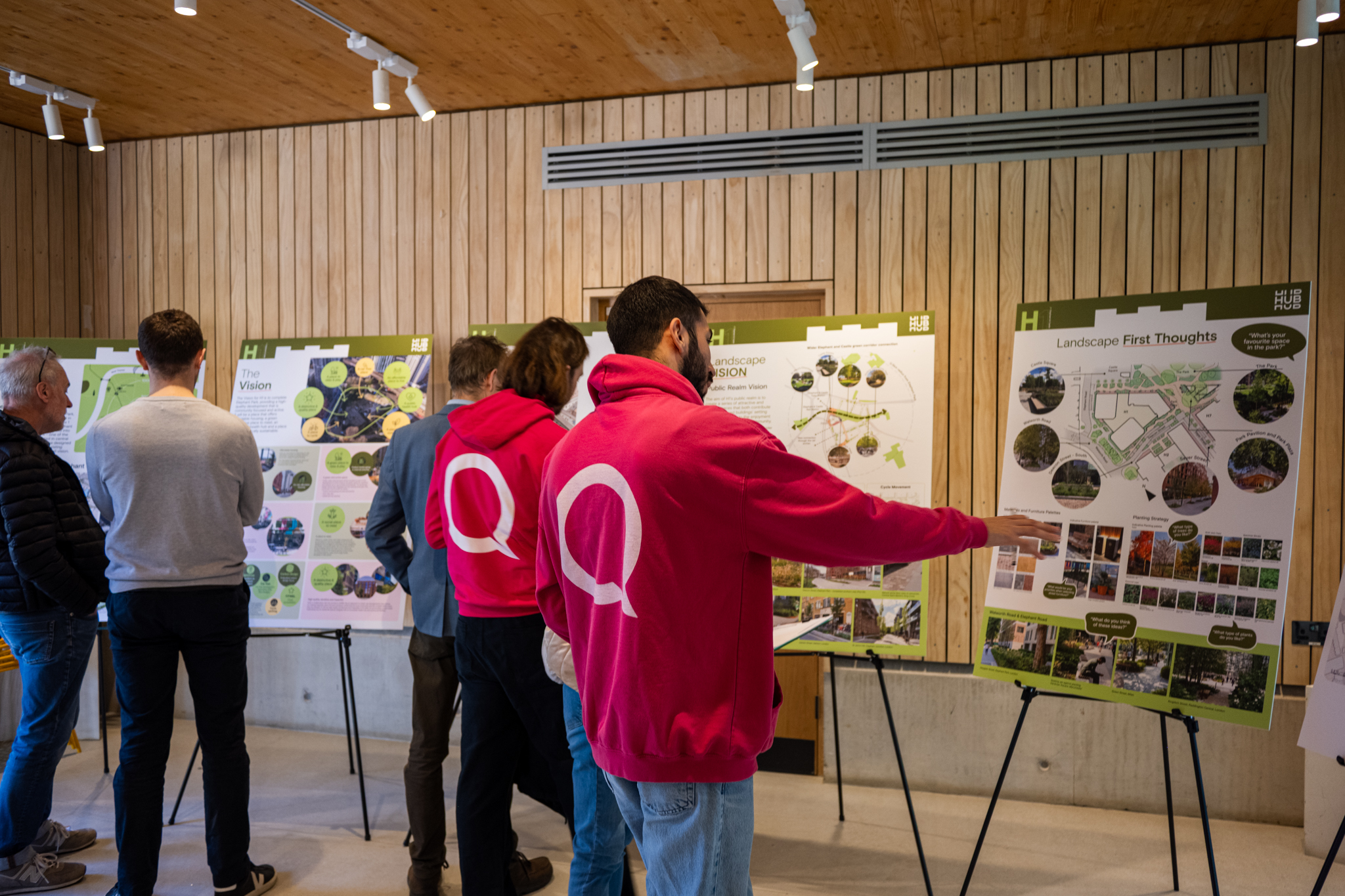
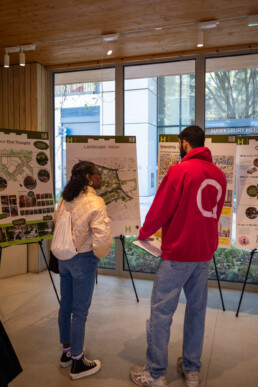
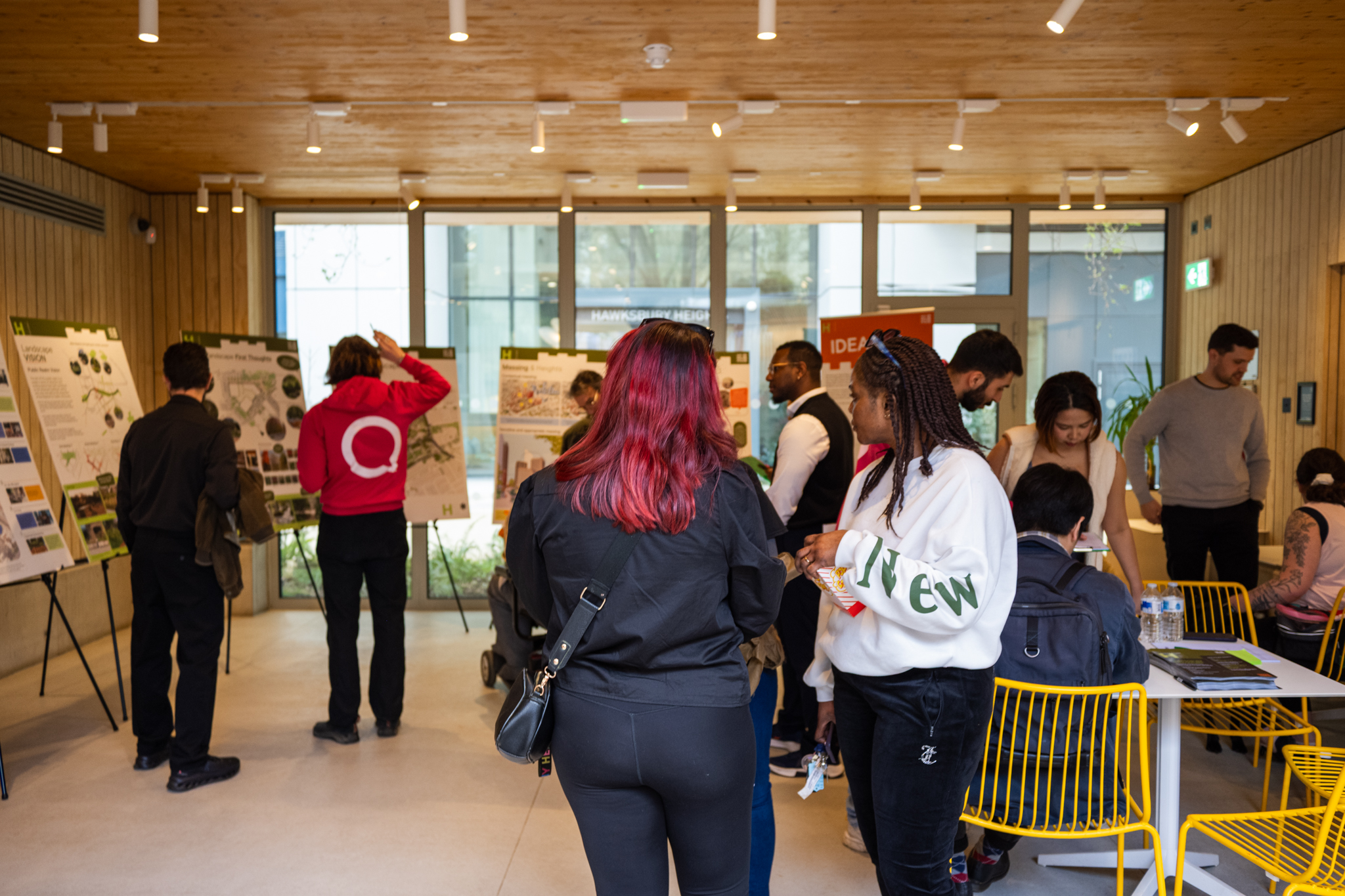
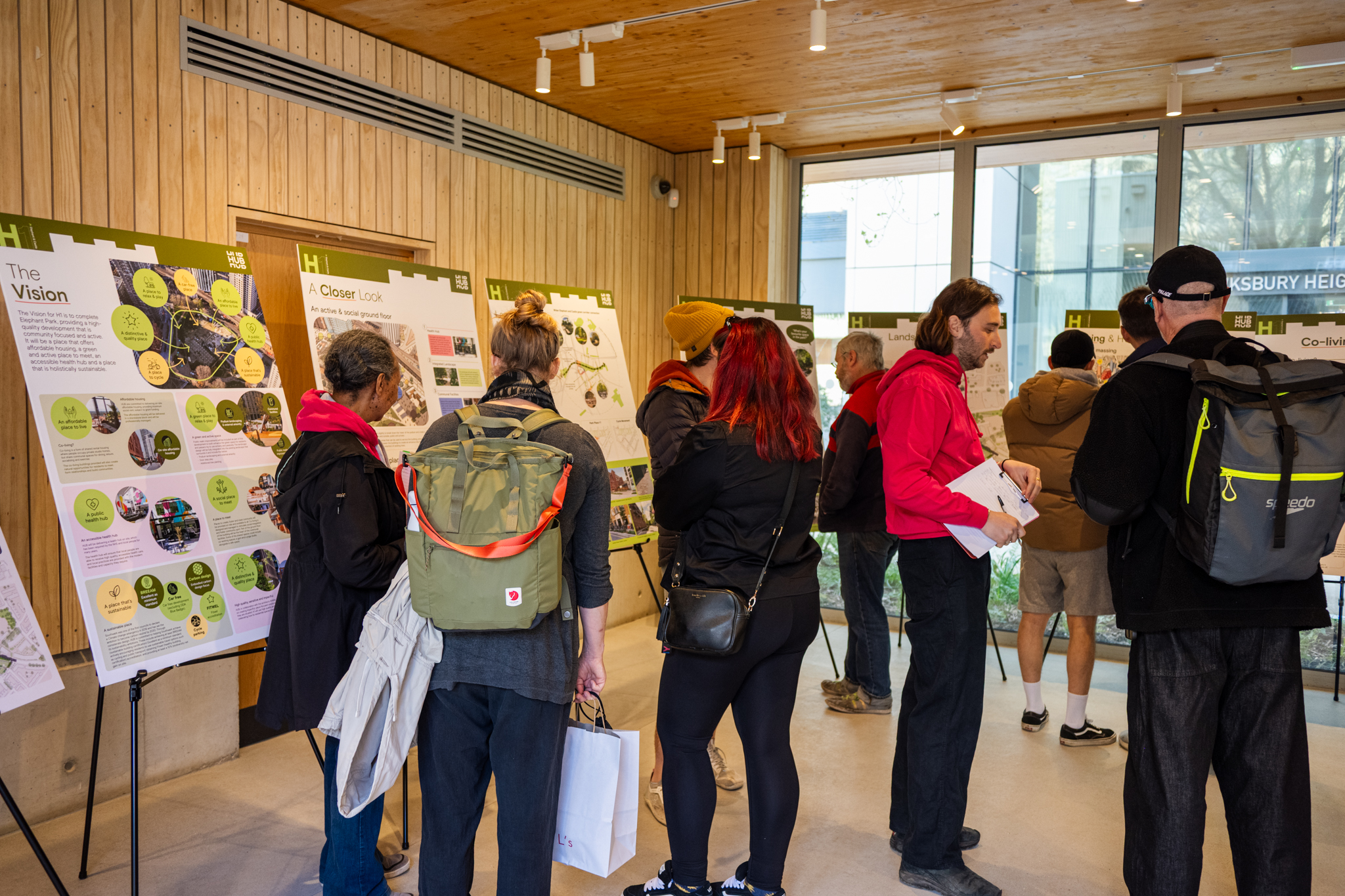
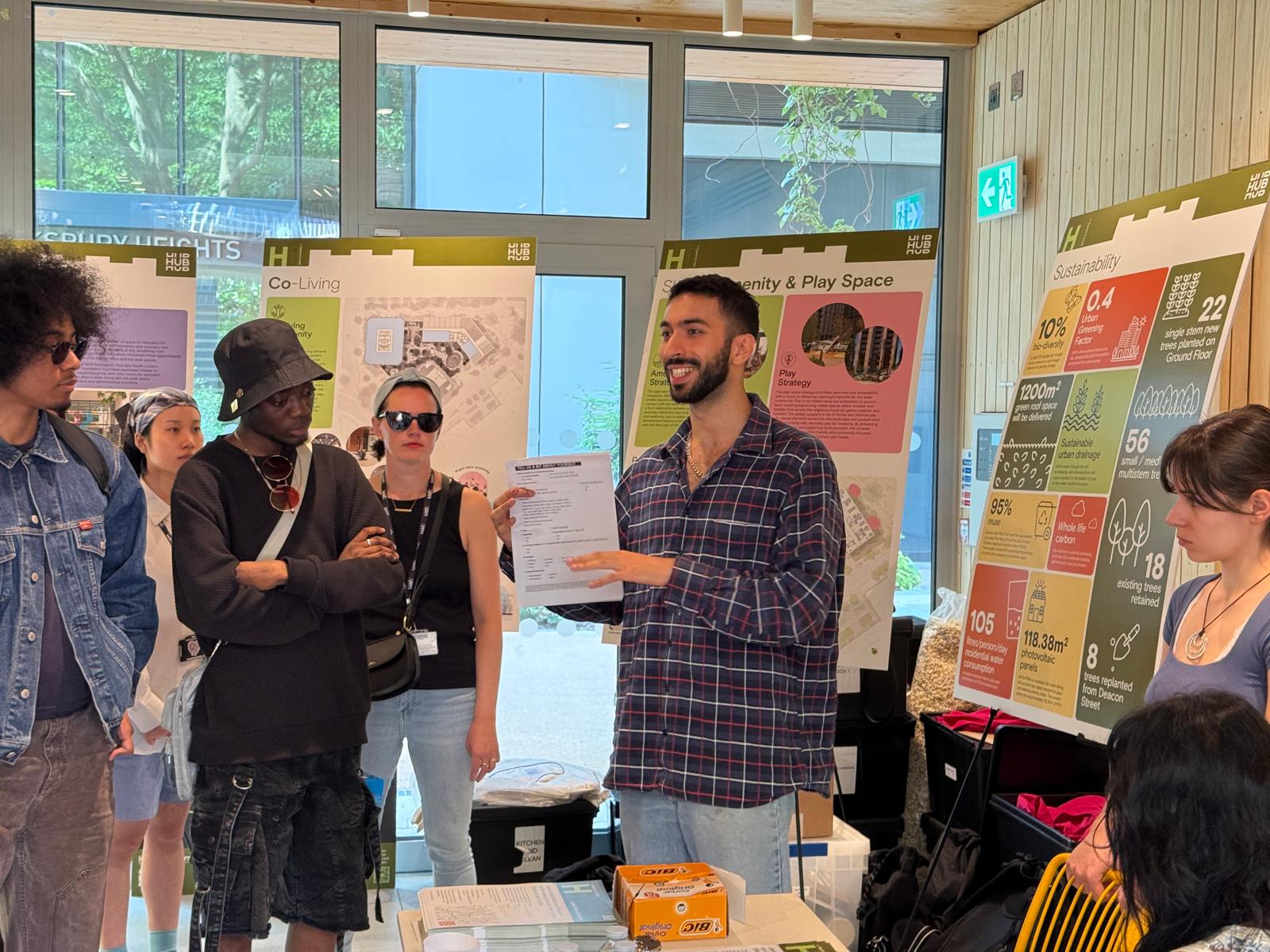
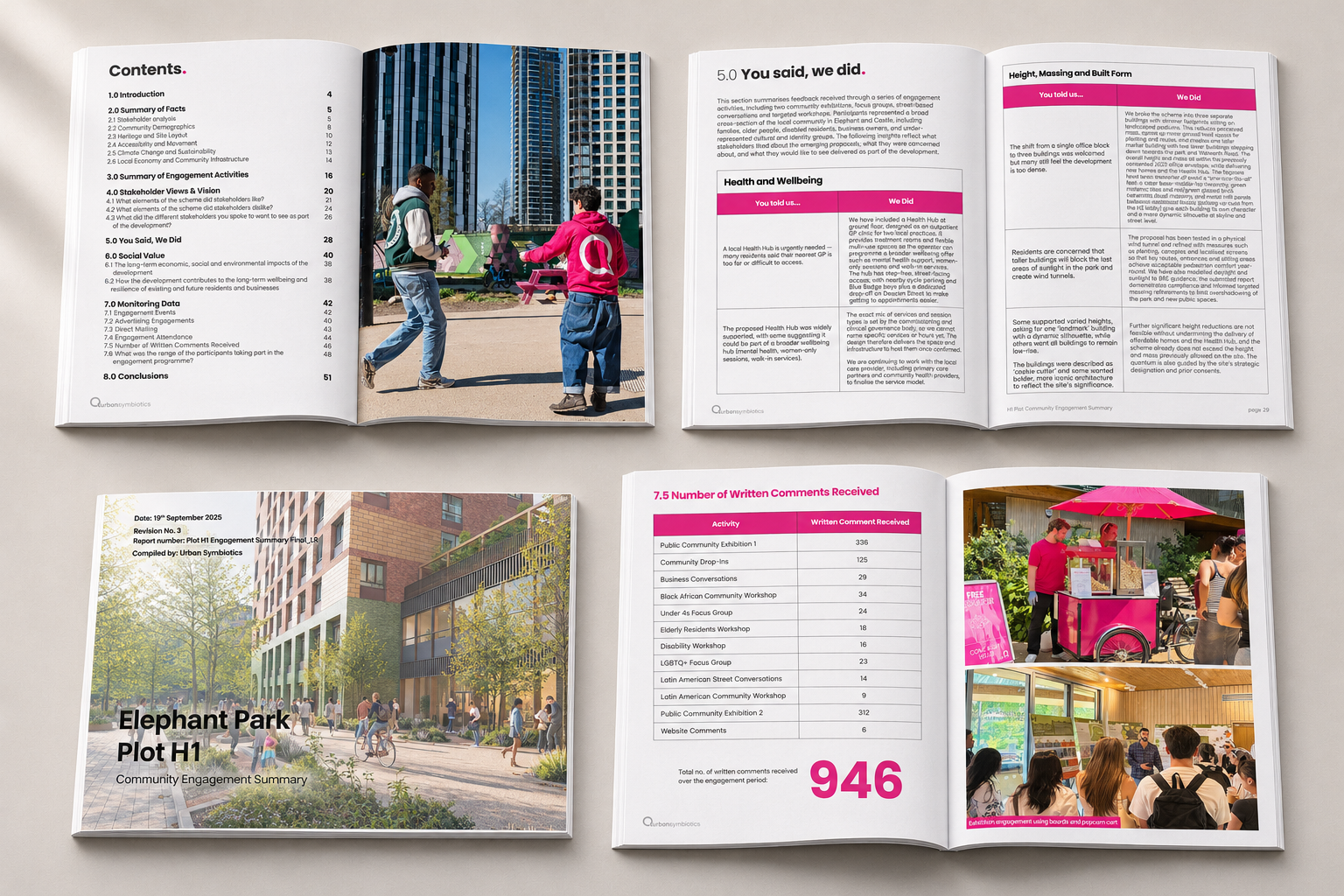
We began with demographic research, stakeholder mapping and conversations with local organisations. This informed a programme of public exhibitions, library drop-ins, workshops and street outreach, with targeted sessions involving Latin American and Black African communities, older people, disabled people and carers, LGBTQ+ participants and local families.
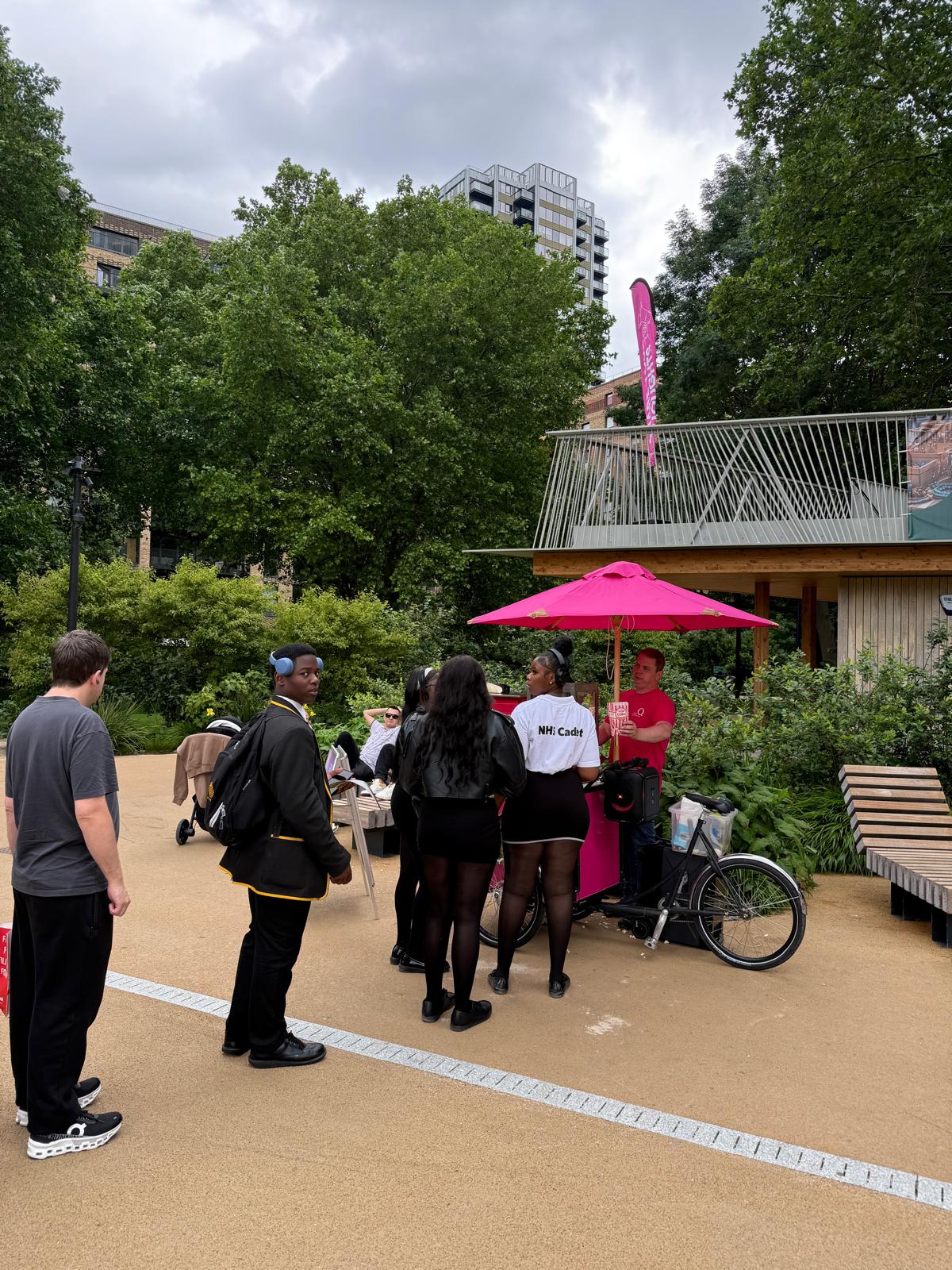
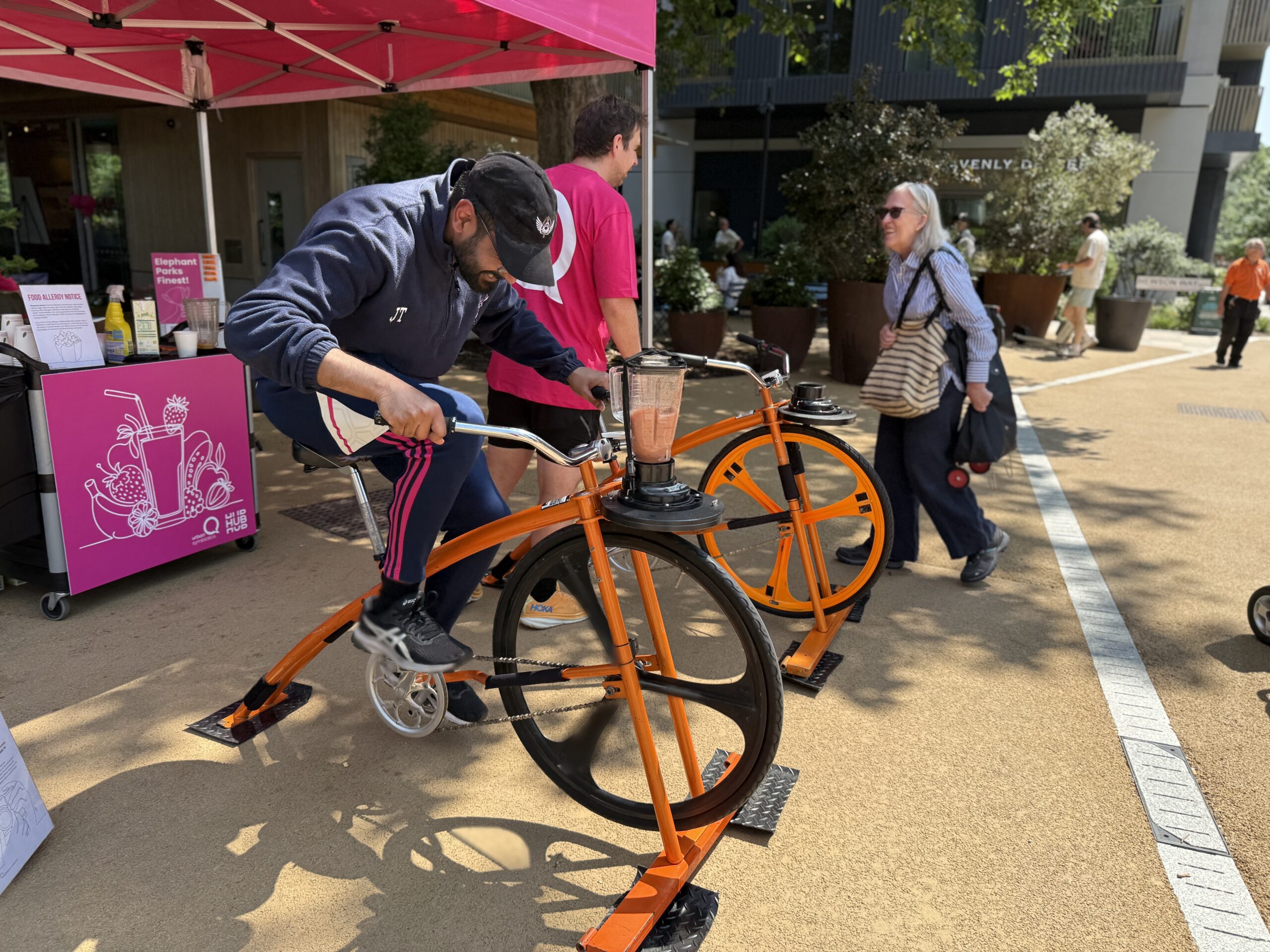
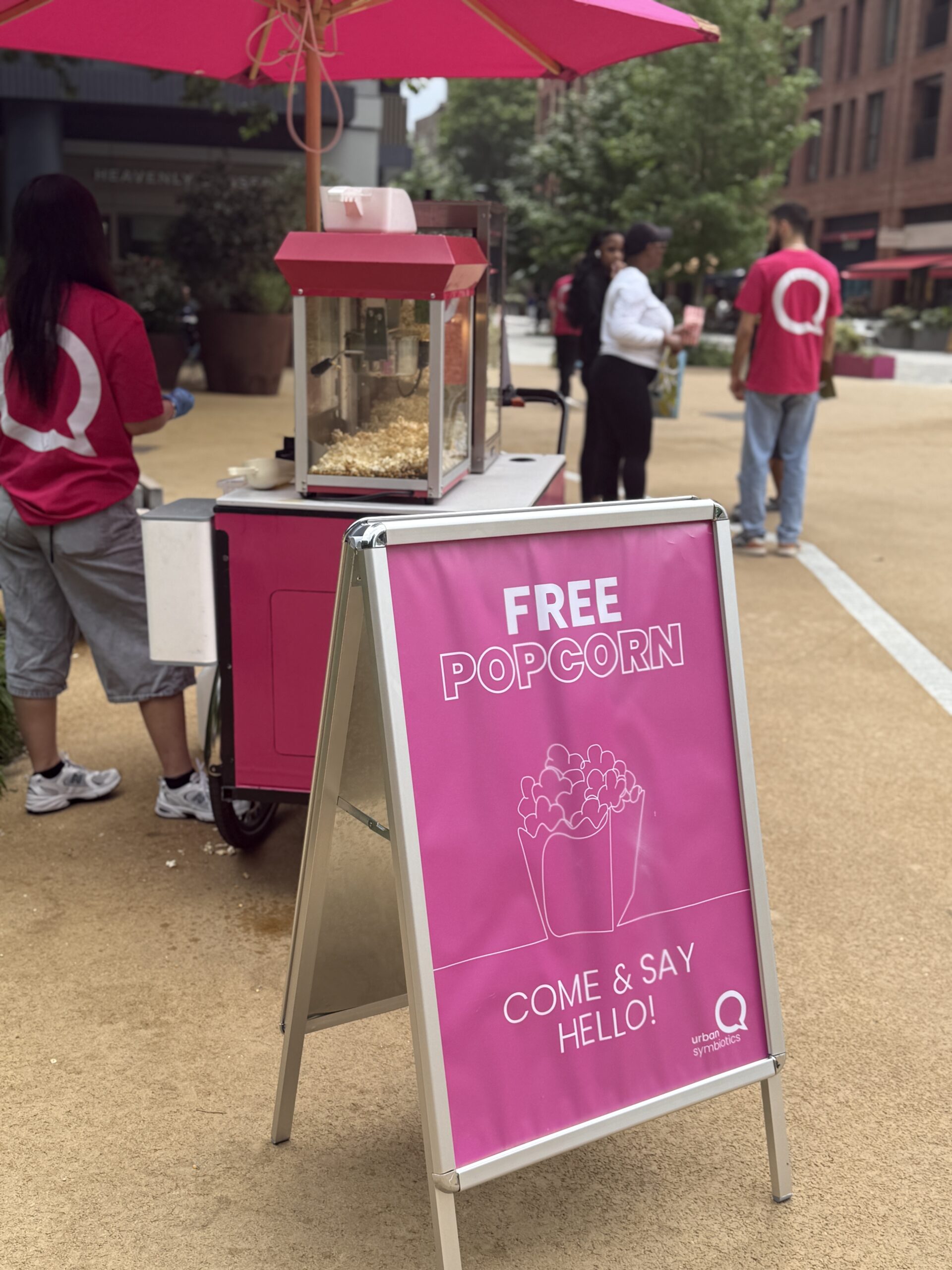
We took discussions into familiar settings, including Walworth Library and local churches. A coffee cargo bike supported outreach with Latin American communities, while creative activities and visual materials helped people explore the proposals at public events. Multilingual engagement, a project website and direct contact routes widened the ways people could participate. Two mailouts each reached more than 5,700 households.
We analysed the conversations and recorded insights by theme, tracking both shared priorities and differing experiences. Our engagement summary, detailed record and Equality Impact Assessment provided the planning evidence. A “You said, we did” account documented the design team’s responses and explained where concerns required further consideration.
What we heard.
People saw opportunities for Plot H1 to bring accessible healthcare, affordable homes and greener shared spaces to the neighbourhood. Seating, play and places to meet featured strongly, alongside a desire to reflect Elephant and Castle’s cultural diversity and support the local businesses and community connections that give the area its character.
Feedback helped define what would make these benefits meaningful in everyday life: step-free routes, safety after dark, comfortable spaces for different ages and clear arrangements for ongoing care and management. Participants also highlighted the importance of affordability and how new buildings relate to neighbouring homes and streets. These priorities gave the design team practical guidance as the proposals developed.
What it led to.
The engagement reports documented how the design team responded to local priorities through proposals for accessible routes, seating, planting, play, active street frontages and the health hub. The Equality Impact Assessment examined potential effects on different groups and identified mitigation considerations. Together, these reports provided a traceable account of community feedback and its consideration within the application.
On 17 March 2026, Southwark’s planning committee resolved to grant permission, subject to conditions, an appropriate legal agreement and referral to the Mayor of London. The resolution also required a strategy for further community engagement before completion. Urban Symbiotics’ role was to bring local experience into the evidence and design discussions; delivery of the buildings, facilities and public spaces follows separately.
800+
Community conversations
Across the engagement programme
1,800+
Insights recorded
Informing the proposals
5,700+
Households contacted
In each of two mailouts
2026
Planning committee resolution
Subject to conditions and agreements
Services delivered.
People.
Data.