
Little Ilford Pride in Place.
Putting residents at the centre of a ten-year investment programme.
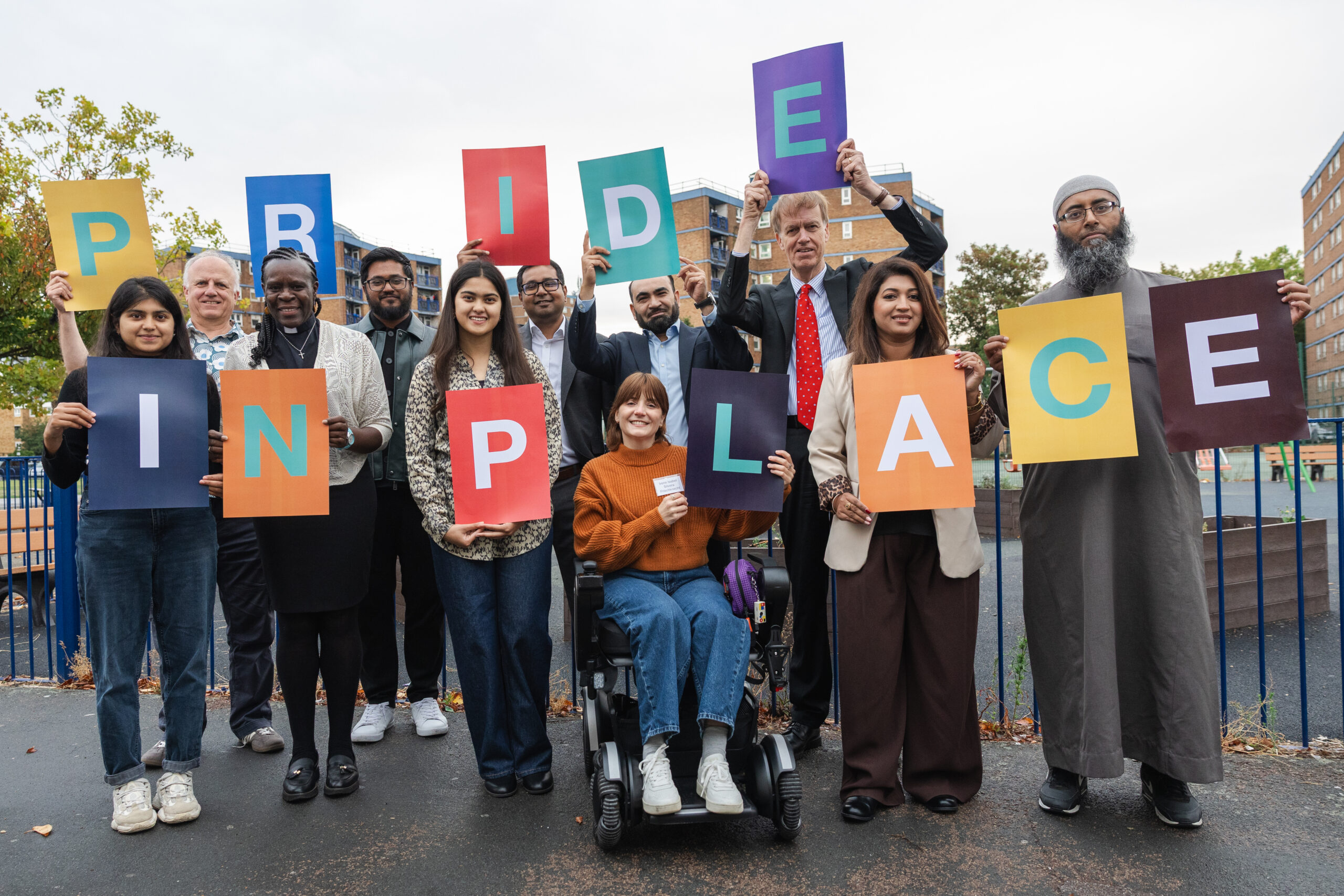
For Little Ilford’s ten-year Pride in Place programme, community leadership had to begin before investment decisions were made. Urban Symbiotics helped Newham establish a 14-member Neighbourhood Board to shape priorities for up to £20 million of future funding.
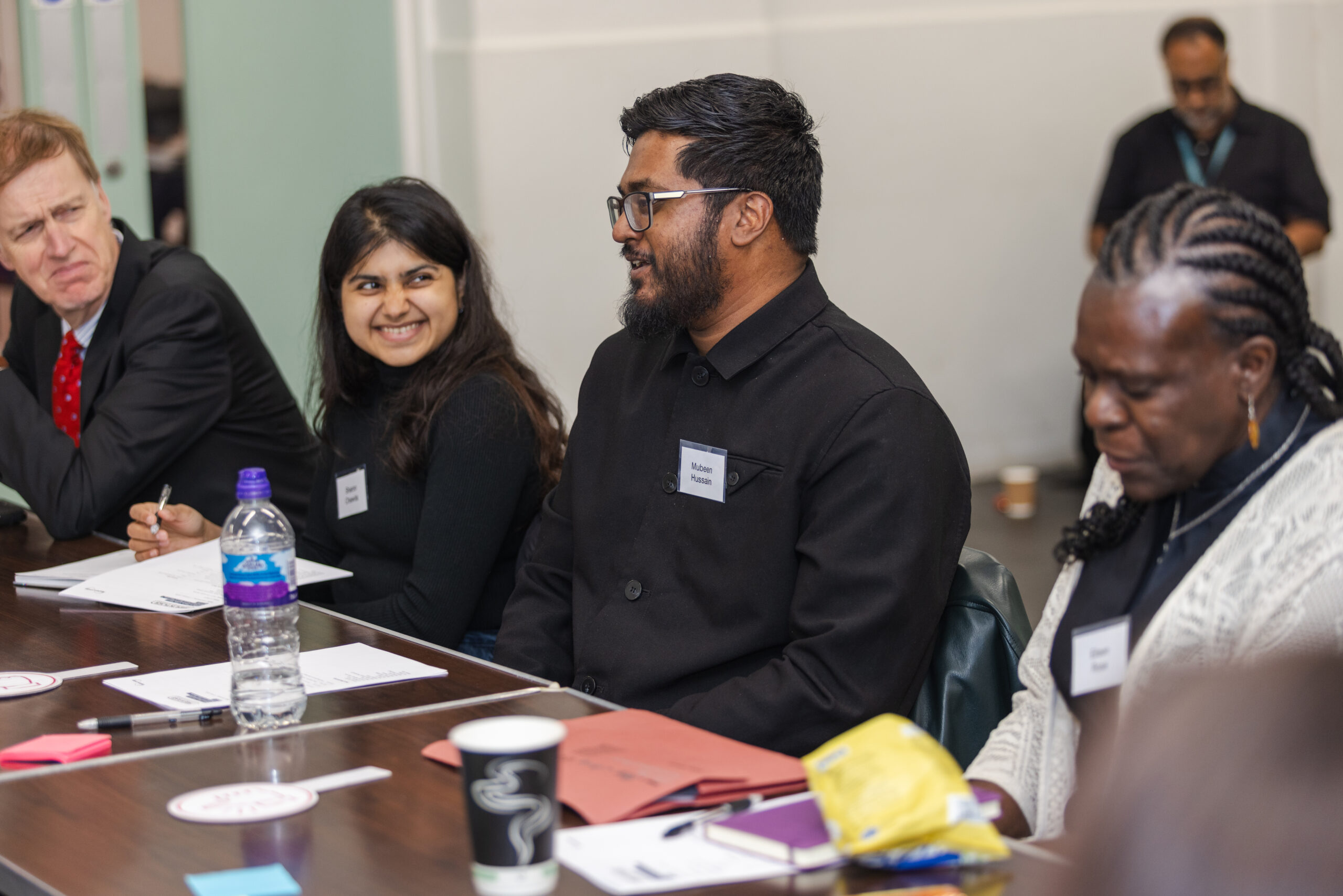
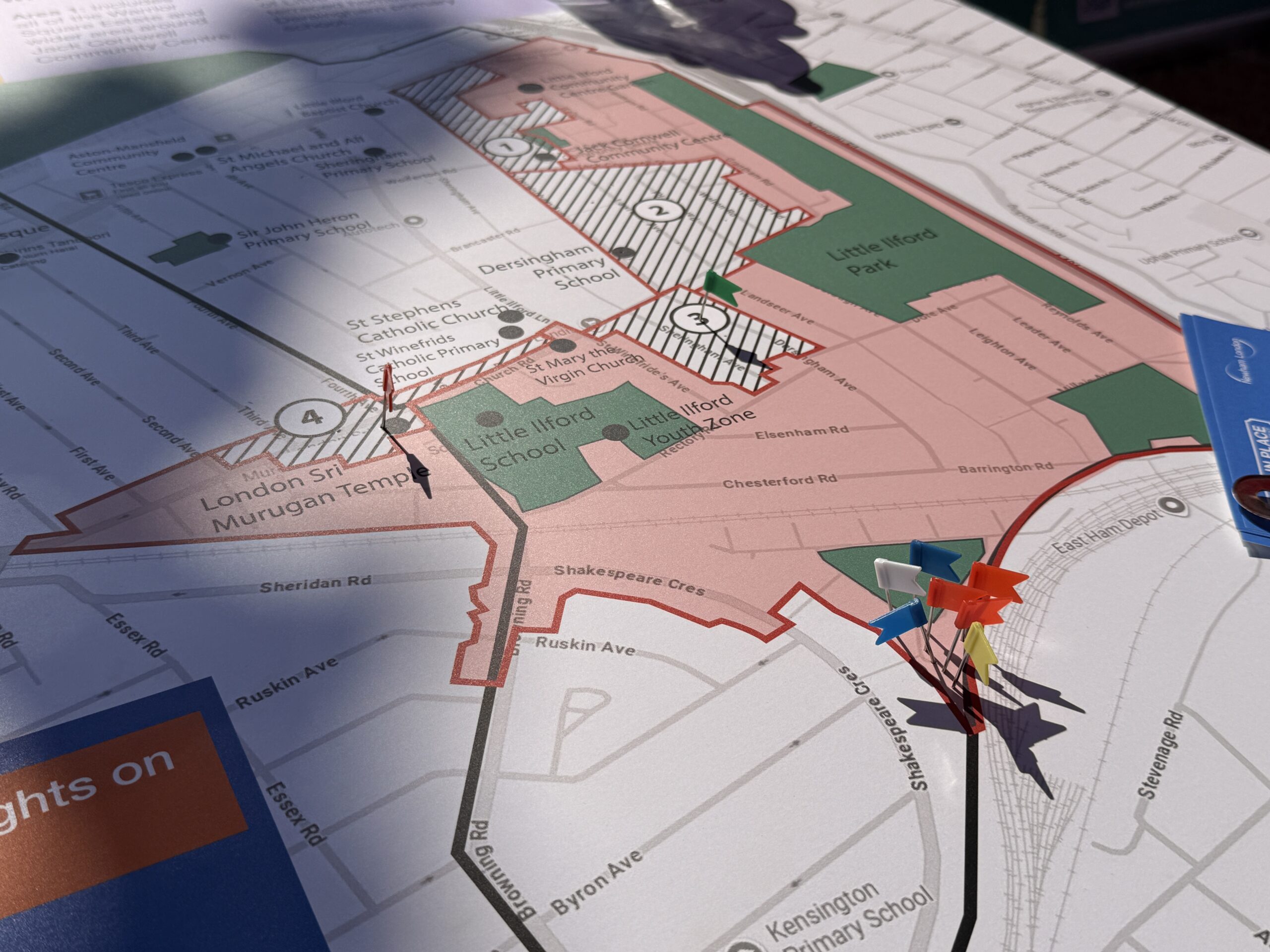
Little Ilford is a residential neighbourhood in east London, with schools, shops, parks and community networks whose different perspectives need to be heard. Through demographic research, local mapping and targeted outreach, we helped create an open recruitment process that attracted 60 applications and supported the Board’s formation.
Following the Board’s first meeting in October 2026, the work has extended into wider community engagement. We are bringing together residents’ experiences, ideas and aspirations to support the emerging Neighbourhood Plan. Investment priorities and individual projects are still being developed.
Client
London Borough of Newham
Location
Little Ilford, Newham, London
Dates
2026–ongoing
Outcome
A 14-member Neighbourhood Board established, with community evidence informing the emerging Neighbourhood Plan.
The brief.
Newham needed to establish a credible local decision-making structure within the programme timetable. Board recruitment had to be open, visible and inclusive, while accounting for the neighbourhood’s communities, networks and residents less likely to participate through formal routes.
The work involved a documented selection process and early support for members. It also needed to create ways for people beyond the Board to influence the programme, so that future investment could respond to the experiences and priorities of the wider neighbourhood.
What we did.

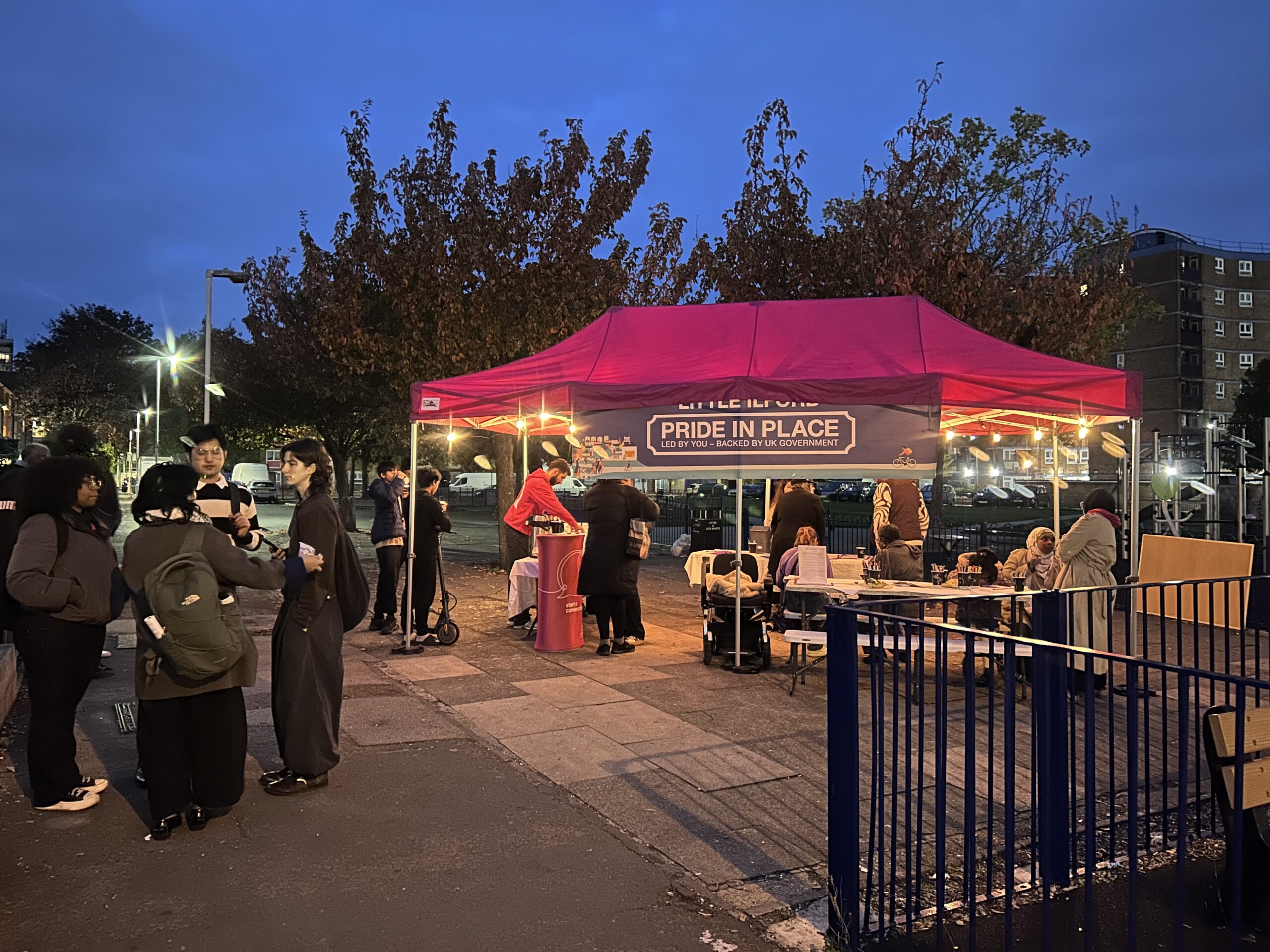
We mapped community organisations and local connections, reviewed demographic data and developed approaches to reach beyond established groups. Recruitment combined visible promotion and targeted outreach with conversations that helped potential applicants understand the role and what involvement would mean.
The process attracted 60 applications. We supported selection arrangements that considered local connection, different experiences and relevant skills, alongside early governance and capacity-building activity.
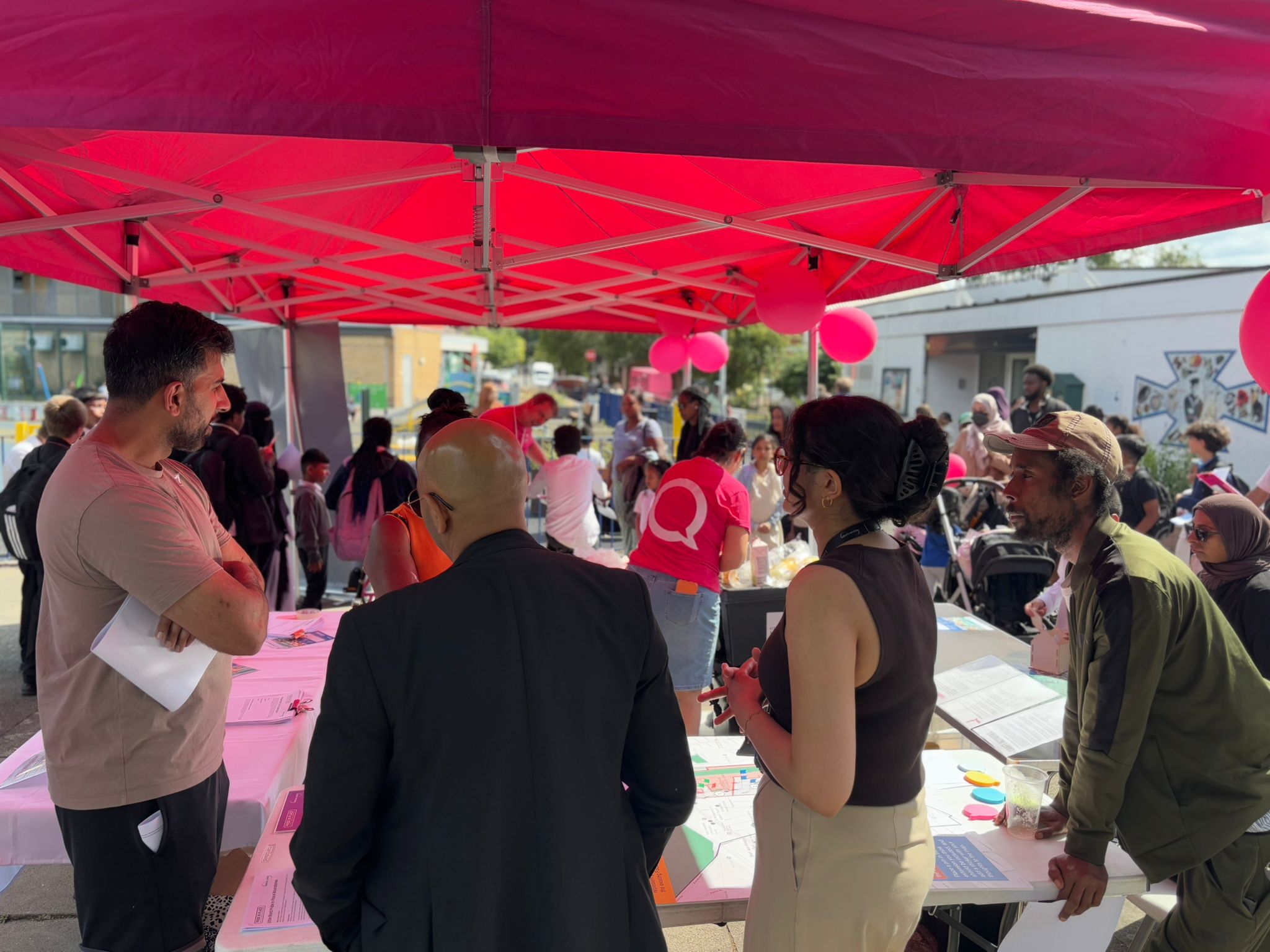
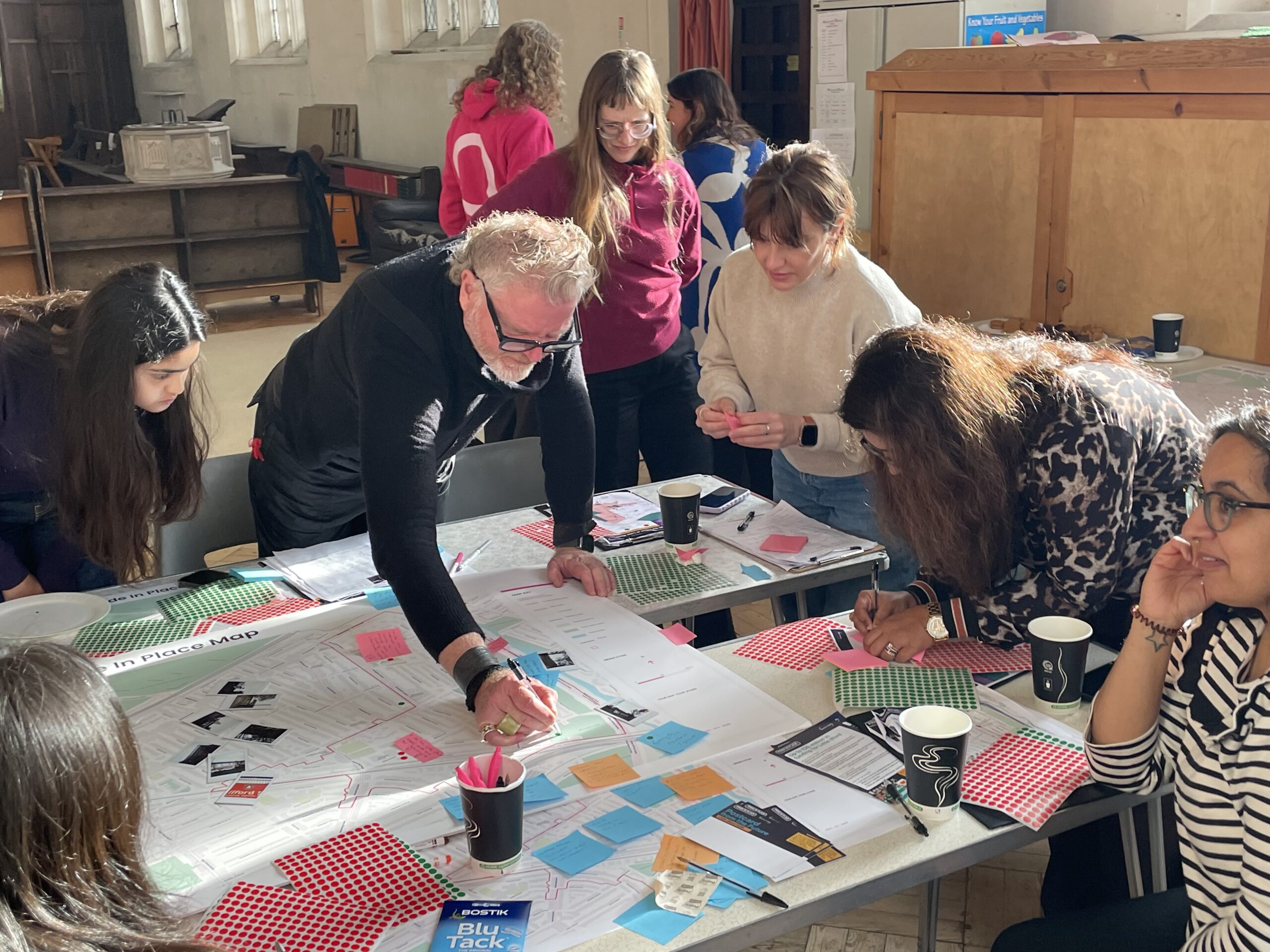
We then developed a phased engagement approach to understand local priorities, explore ideas and test emerging proposals. Wider engagement has gathered residents’ views on what they value, what needs to change and what should be protected. We are analysing these findings alongside the local demographic profile to identify shared priorities, differences in experience and gaps in participation.
What we heard.
Participants valued Little Ilford’s community spirit, cultural diversity, parks and local organisations. Places such as the Jack Cornwell Community Centre and Little Ilford Youth Zone were described as important settings for social connection, learning and support.
Alongside those strengths, people raised concerns about litter, fly-tipping, safety, traffic and the condition of streets and public spaces. They wanted better-maintained parks, more accessible community facilities and more opportunities for children, young people, older people and disabled people.
The emerging message was to build on what already makes Little Ilford valuable to its communities. Participants wanted future investment to improve everyday life while protecting local relationships, independent businesses and the neighbourhood’s sense of belonging.
What it led to.
Newham confirmed a 14-member Neighbourhood Board, which first met on 7 October 2026. The Board is working with the wider community to develop the Neighbourhood Plan and identify priorities for future investment. The Council expects the plan, including proposed projects, to be published in early 2027.
Our contribution connects the foundations of local decision-making with the evidence needed to support it: demographic research, inclusive recruitment, selection and governance support, and continuing community engagement. The programme is ongoing, with priorities and individual projects still being developed.
60
Board applications
Open recruitment process
14
Neighbourhood Board members
Confirmed by Newham
2026
First Board meeting
7 October
Up to
£20m
Government investment
Over ten years