
Maidstone Town Centre
Deliberative Engagement Programme.
Better quality of life, shaped together.
To help Maidstone Borough Council turn lived experience into practical priorities, Urban Symbiotics designed and delivered a deliberative engagement programme combining 497 survey responses with resident, youth, school and stakeholder workshops.
Maidstone town centre is a place to live as well as a place to shop, work and visit. Its river, parks, heritage, independent businesses and community organisations provide a strong foundation, but people experience the town differently depending on their circumstances and opportunities.
We brought community knowledge, research and design together to explore what makes everyday life better and where change could have the greatest effect. The programme gave people time to consider evidence, hear other perspectives and shape recommendations for the Council and its partners.
Client
Maidstone Borough Council
Location
Maidstone town centre and surrounding neighbourhoods, Kent
Dates
June–September 2026; final report published with Council papers in November 2026
Outcome
A shared community vision and practical recommendations informing the Council’s town centre programme and proposed action plan.
The brief.
The Council wanted a deeper understanding of quality of life in the town centre, including the experiences behind local statistics. The brief was to identify what residents value, understand barriers to participation and opportunity, and develop priorities for a stronger, fairer and more inclusive community.
The programme needed to reach beyond the people most likely to respond to an open invitation. It also needed to connect residents’ ideas with local organisations’ knowledge of existing services, resources and delivery, creating recommendations that could guide practical action.
What we did.

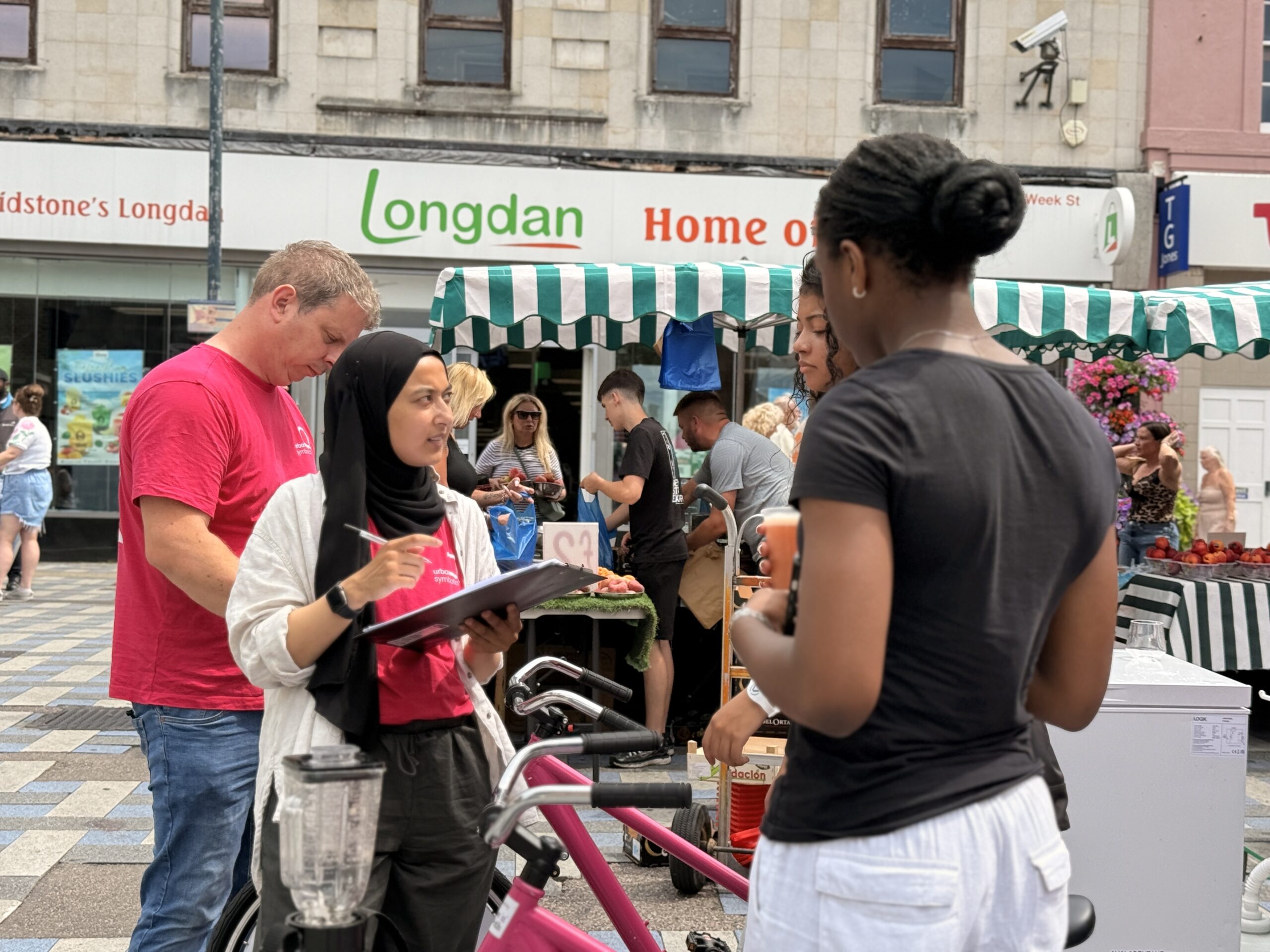
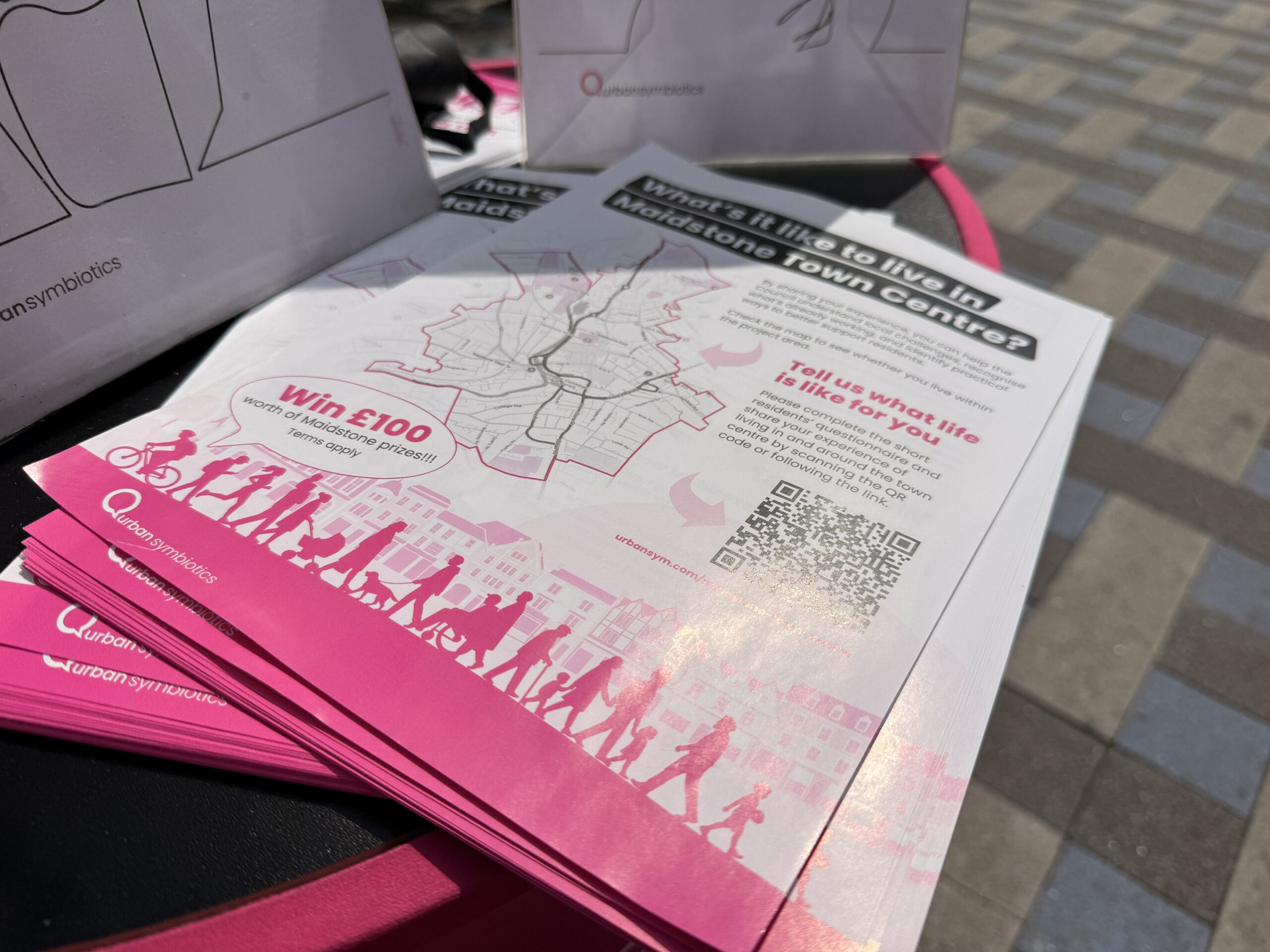
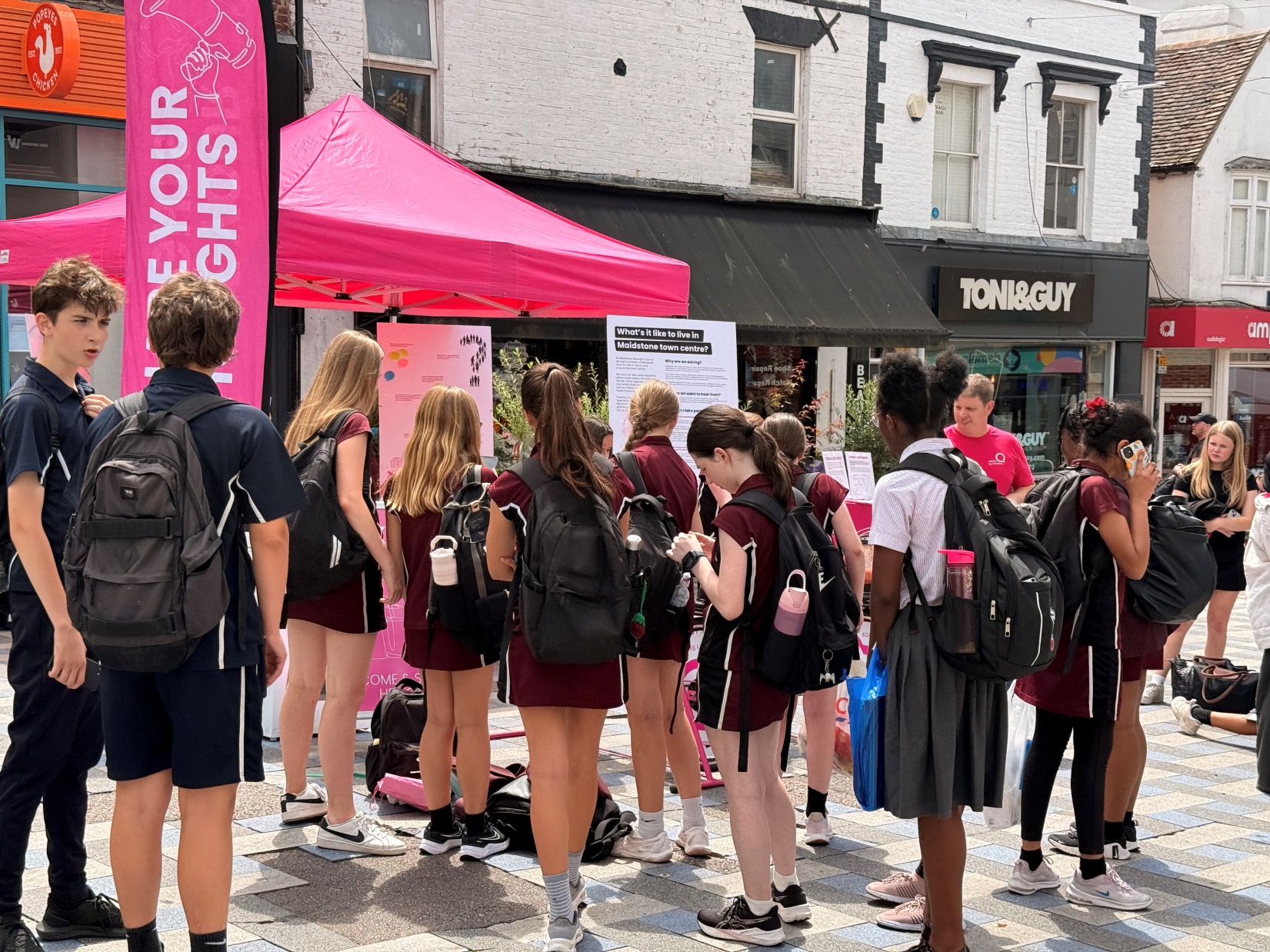
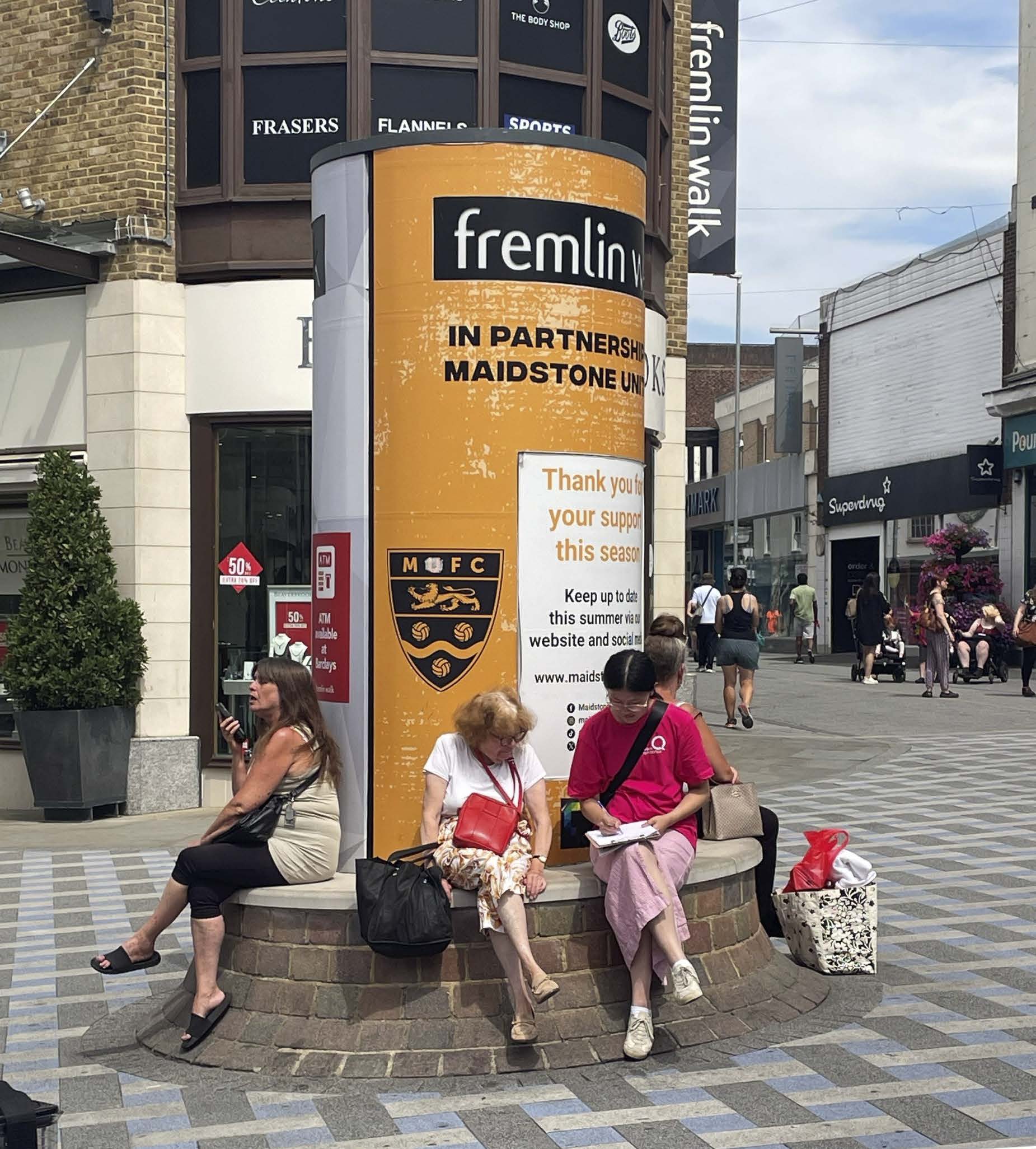
We reviewed local evidence and demographic data, visited the area and mapped community organisations and services to shape the research and recruitment. Street pop-ups on Week Street and the High Street, supported by smoothie bikes and informal conversations, gathered 121 questionnaire responses. A further 376 people responded online, with publicity distributed to more than 14,000 homes.
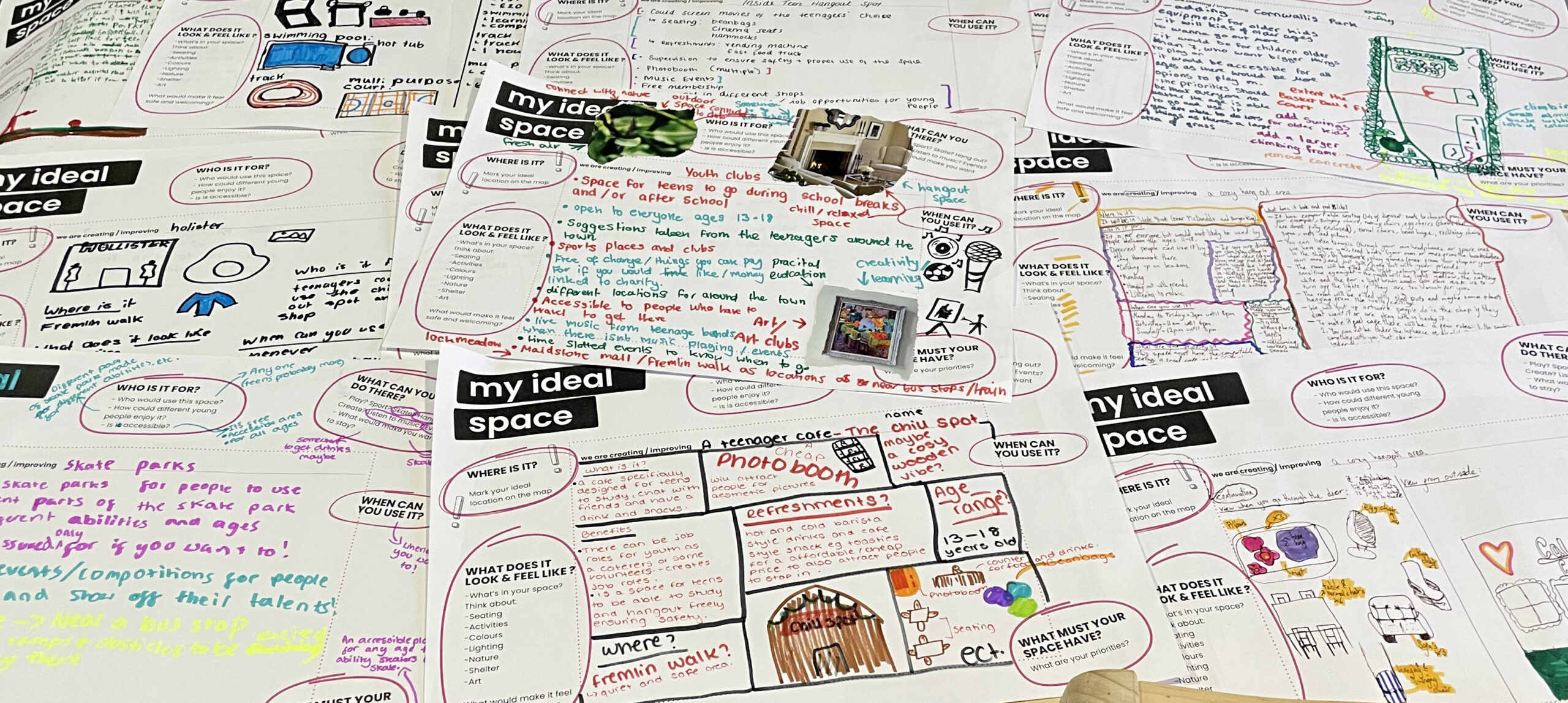
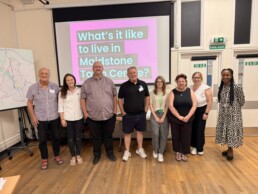
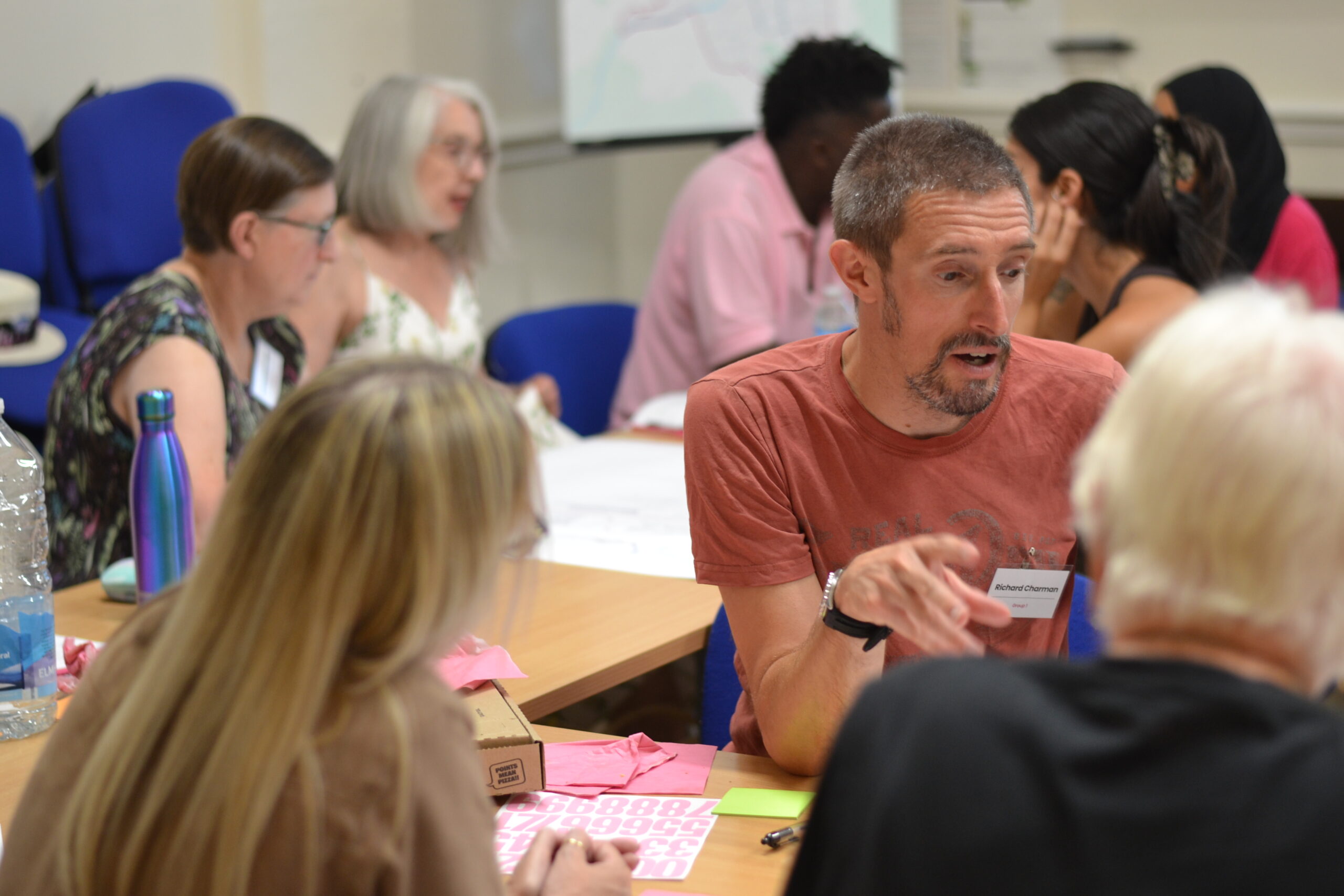
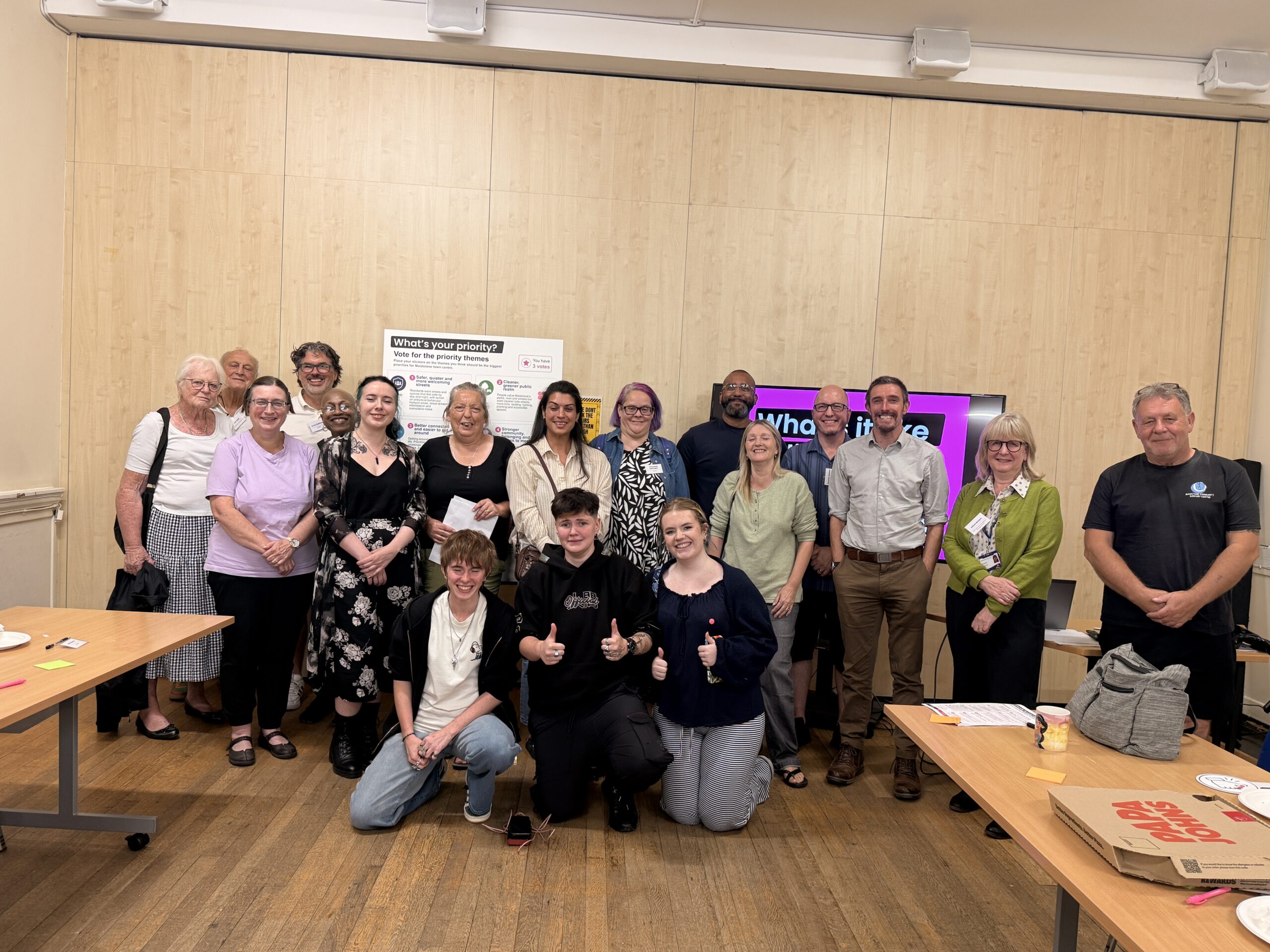
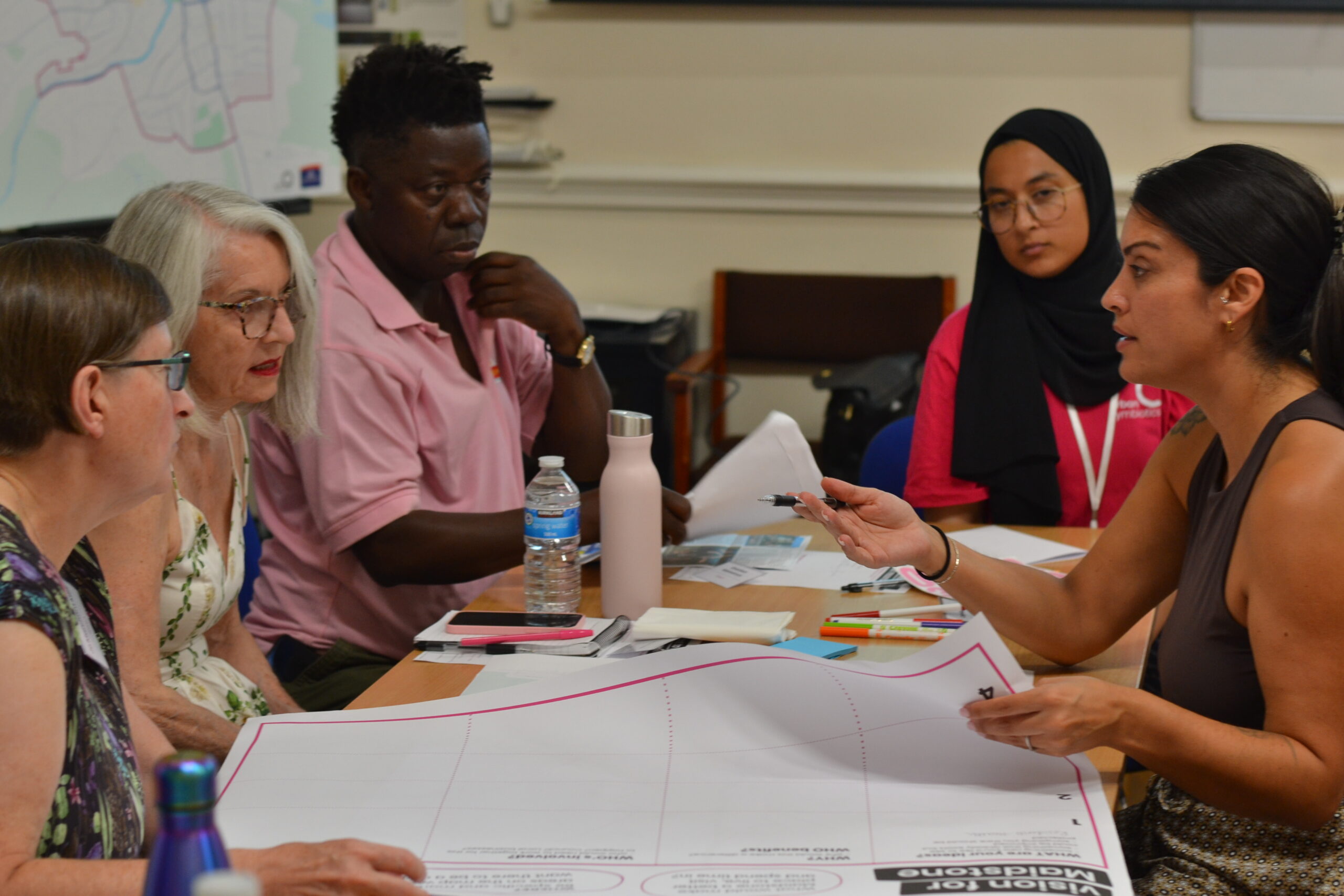
From 127 registrations, we selected a resident panel bringing different circumstances and experiences into the discussion. Across four resident workshops, participants explored the findings, considered priorities and trade-offs, and refined ideas. Dedicated sessions with 31 young people, 30 primary-school pupils and 11 stakeholder organisations added perspectives on belonging, opportunity, support and how change could work in practice.
Our analysis connected survey findings with the workshop discussions, retaining differences between groups alongside shared priorities. We translated this evidence into an illustrated report, a shared vision and recommendations linking community ambitions with existing provision and opportunities for future investment.
What we heard.
Participants saw considerable potential in Maidstone’s river, green spaces, heritage, culture and community networks. They wanted these strengths to feel more connected and accessible, with affordable activities, welcoming places to meet and more reasons to spend time in the town centre.
A stronger sense of belonging ran through the discussions. Young people wanted places and opportunities where they felt welcome and valued. Residents and local organisations highlighted the importance of feeling safe, finding support easily and knowing what was already available.
The emerging direction was to build on what works, connect services and communities more effectively, and focus new investment where it could make the greatest difference. Participants also wanted to remain involved and see how their contributions shaped what happened next.
“…anything that would allow me to leave my house and feel safe and proud”
Resident participant, Maidstone town centre engagement
“Green spaces that feel safe and welcoming…”
Online survey participant, Maidstone town centre engagement
What it led to.
The programme produced a shared vision for a town centre that is safe, thriving and celebrated, supported by practical recommendations. These combined stronger community networks and clearer communication with priorities for safety and support, young people’s futures, and more reasons to visit and spend time in Maidstone. Accessibility and inclusion ran throughout.
The final report was published alongside the Council’s town centre vision and proposed projects action plan in its November 2026 committee papers. The action plan sets out £900,000 of proposed activity responding to the engagement recommendations, within a wider £1 million allocation that includes £100,000 for additional welfare support. Proposals include continued resident involvement, support for community organisations, youth provision and cultural activity.
Our contribution was to turn lived experience into a clear basis for decisions, connecting what communities value with practical priorities for the Council and its partners.
497
Survey responses
376 online and 121 face-to-face
4
Resident workshops
Exploring and refining priorities
61
Children and young people involved
30 school pupils and 31 youth participants
11
Stakeholder organisations
Contributing local and delivery knowledge
Services delivered.
People.
Data.